Liechtenstein Travel Tips
Liechtenstein is one of the easiest countries in the world to travel. No language barrier worth worrying about, no visa, no border control on the way in, and a tiny enough footprint that you can't really get logistics wrong. The handful of things below are mostly about cost, calibrating expectations, and not getting caught out by a Sunday closure. Skim it before you go and the whole weekend gets smoother.
It's not in the EU, but Schengen applies
Liechtenstein is in Schengen and the EEA, which means no border control crossing in from Switzerland or Austria, and your Schengen visa (or visa-free entry) covers it. It's not in the EU and not in the eurozone.
The currency is the Swiss franc
Liechtenstein uses the Swiss franc (CHF) for everything. Euros are sometimes accepted in tourist-facing places at a poor exchange rate. Cards work everywhere. ATMs are common in Vaduz, less so in the villages.
It is genuinely expensive
Pricing tracks Switzerland, which means food, hotels, fuel, and pretty much everything else costs noticeably more than Germany, Austria, France, or Italy. A casual lunch is 20 to 30 CHF, a basic 3-star hotel runs 200+ CHF a night, and a Big Mac will set you back almost 9 CHF. Plan accordingly.
Two days is enough
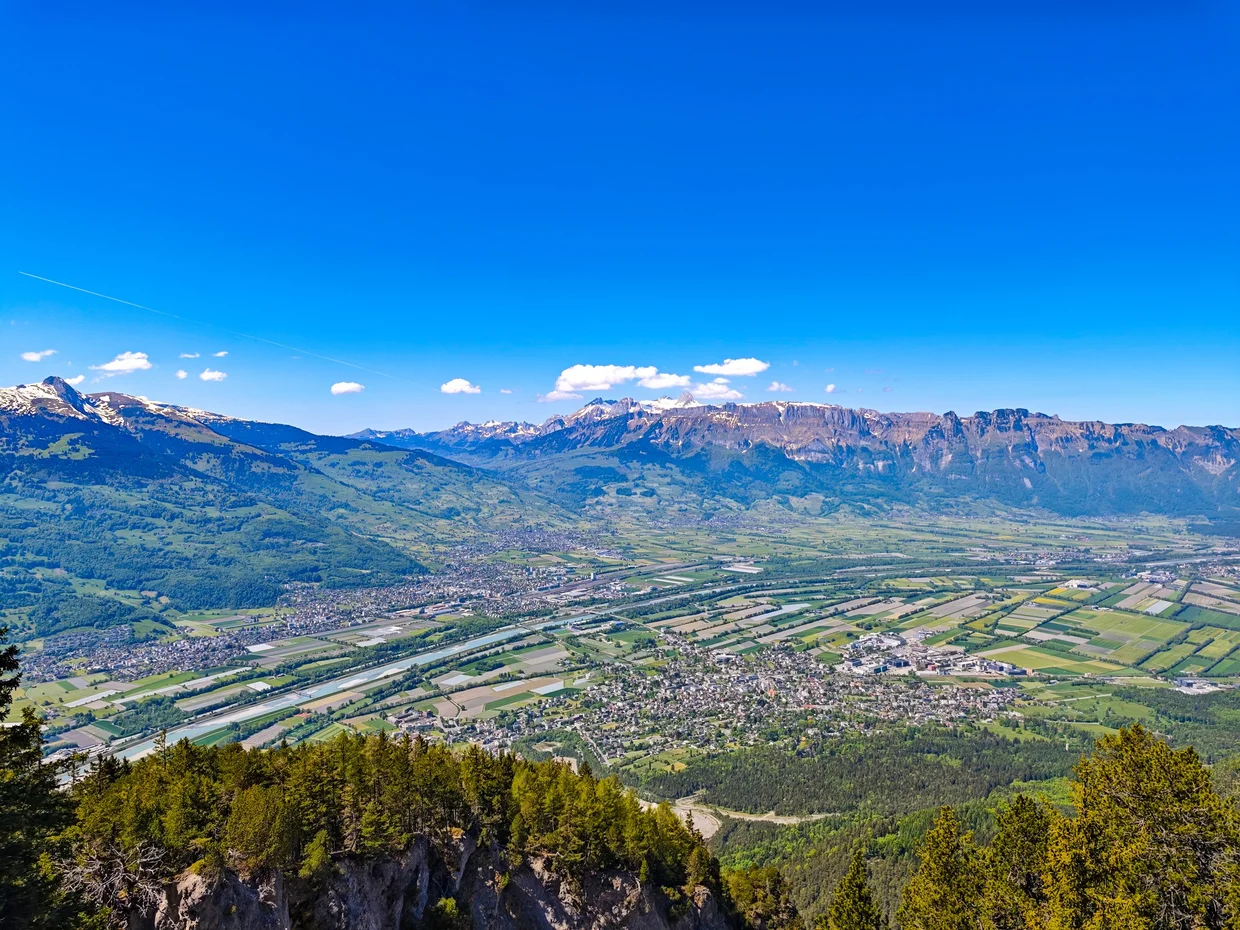
The whole country is 25 kilometers long. You can drive its full length in 35 minutes. The two main castles, the capital, Triesenberg and Malbun all fit comfortably into a long weekend with time to spare. If you're staying longer, you're using Liechtenstein as a base for hiking or skiing, not for sightseeing.
German is the language
Specifically a local Alemannic dialect, but standard German is what you'll see written everywhere and what's spoken in any formal context. English is widely understood in hotels, restaurants, and tourist info, less so in mountain villages. A few "Grüezi" or "Hallo" goes a long way.
Power and plug adapter
Liechtenstein runs on 230V power with Type C/J sockets. Pick your home country to see if you need a travel adapter.
Sundays slow everything down
Like Switzerland and Germany, Sundays are quiet. Most shops close, restaurants run reduced hours, and museums sometimes shift schedules. The flip side: Gutenberg's chapel and rose garden open seasonally on Sundays, and castle-room access is generally by guided tour or event. Plan around it.
Vaduz Castle is closed to the public
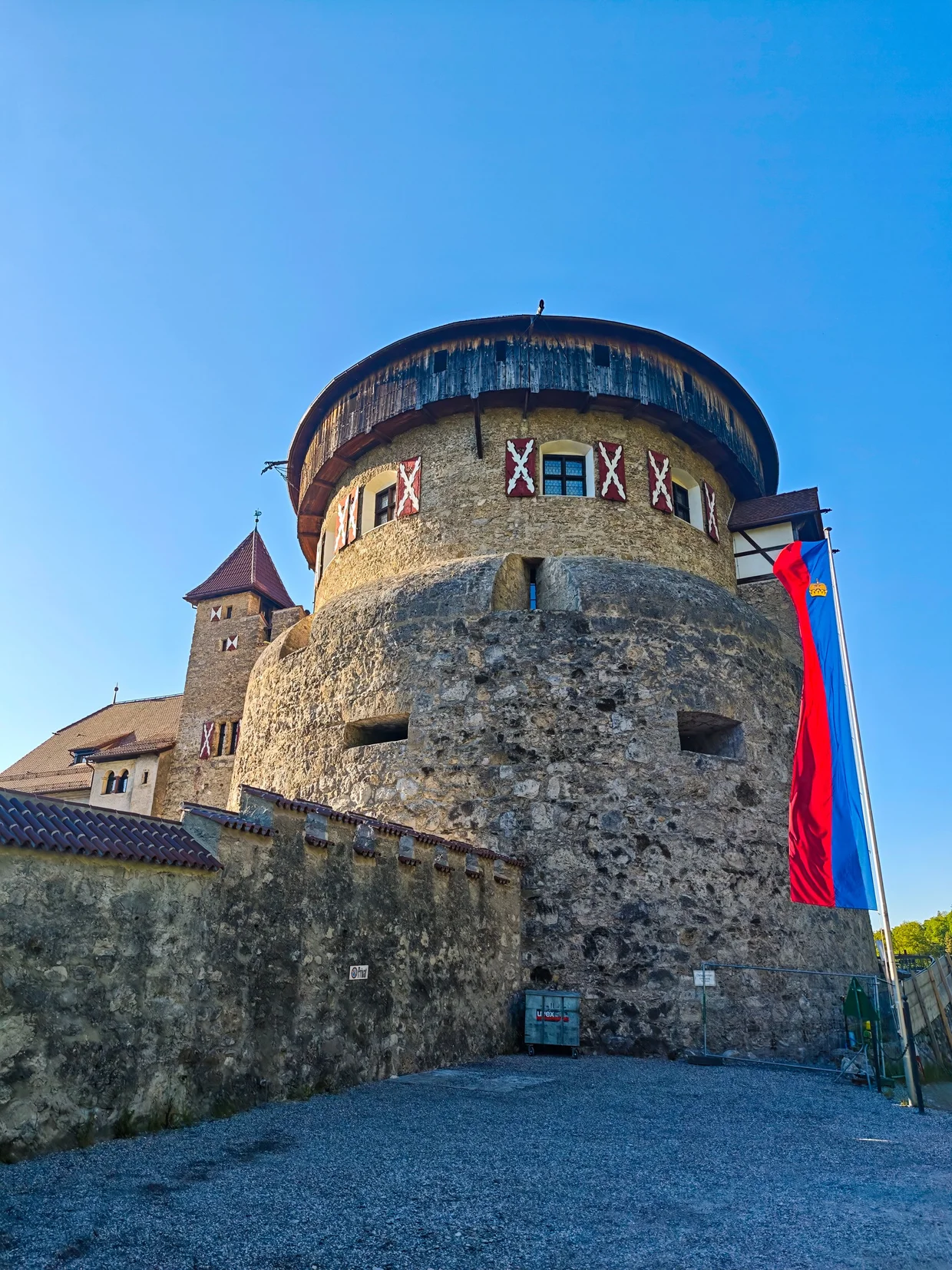
The prince and his family actually live there. You can hike up to the castle viewpoint, walk right up to the walls, and photograph the exterior, but you can't go inside. Once a year, on National Day (15 August), the gardens are opened for a public reception. Outside that, exterior only.
Driving is the easiest way around
Roads are immaculate, traffic is light, signs are clear. Pick up a rental car at Zurich Airport and you're roughly 90 minutes from Vaduz; St. Gallen-Altenrhein and Feldkirch are the under-an-hour options. The country is small enough that you'll never drive more than half an hour between any two interesting places. You don't need a Swiss vignette or an Austrian Pickerl for Liechtenstein itself, just for the bordering countries you transit.
Public transport is good and cheap
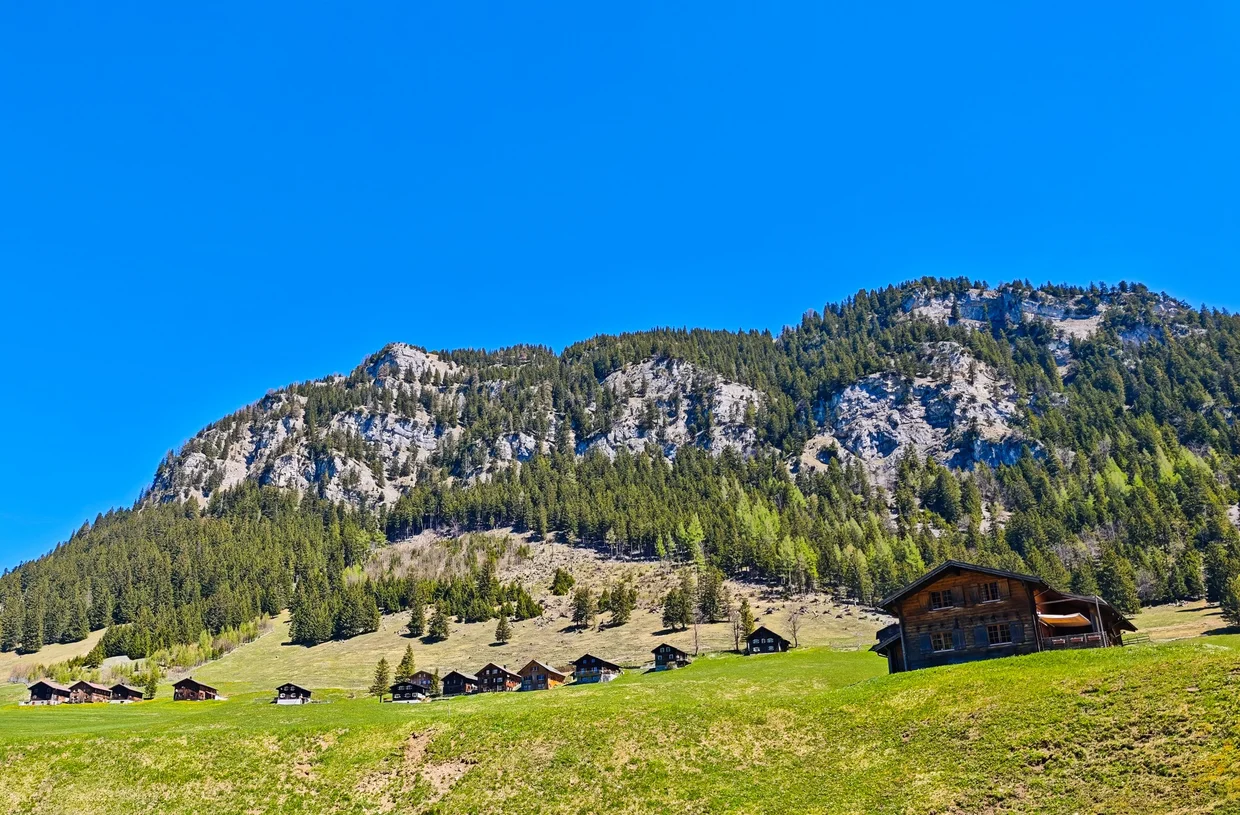
LIEmobil runs a single nationwide bus network covering the Rhine valley, Triesenberg, and up to Malbun. Buses are clean, frequent on the main routes, and a day pass covers the whole country. I didn't try it personally because I had a car, but every bus I saw running looked exactly like you'd hope.
There's no airport in the country
The closest options are Zurich (ZRH) in Switzerland, about 90 minutes by car, and St. Gallen-Altenrhein (ACH), about 45 minutes. Innsbruck and Munich are also reasonable for the Austrian and German sides. Trains arrive at Sargans (Switzerland) or Buchs (Switzerland), with bus connections from there.
Tap water is excellent
Mountain spring water, drinkable from any tap. Bring a reusable bottle and skip the bottled stuff.
It's one of the safest countries on earth
Crime rates are vanishingly low. Walking around Vaduz at night, hiking alone, leaving stuff in a car: all things locals do without thinking about it. The risk profile here is the steep alpine roads in winter, not anyone bothering you.
Most population lives in the Rhine valley
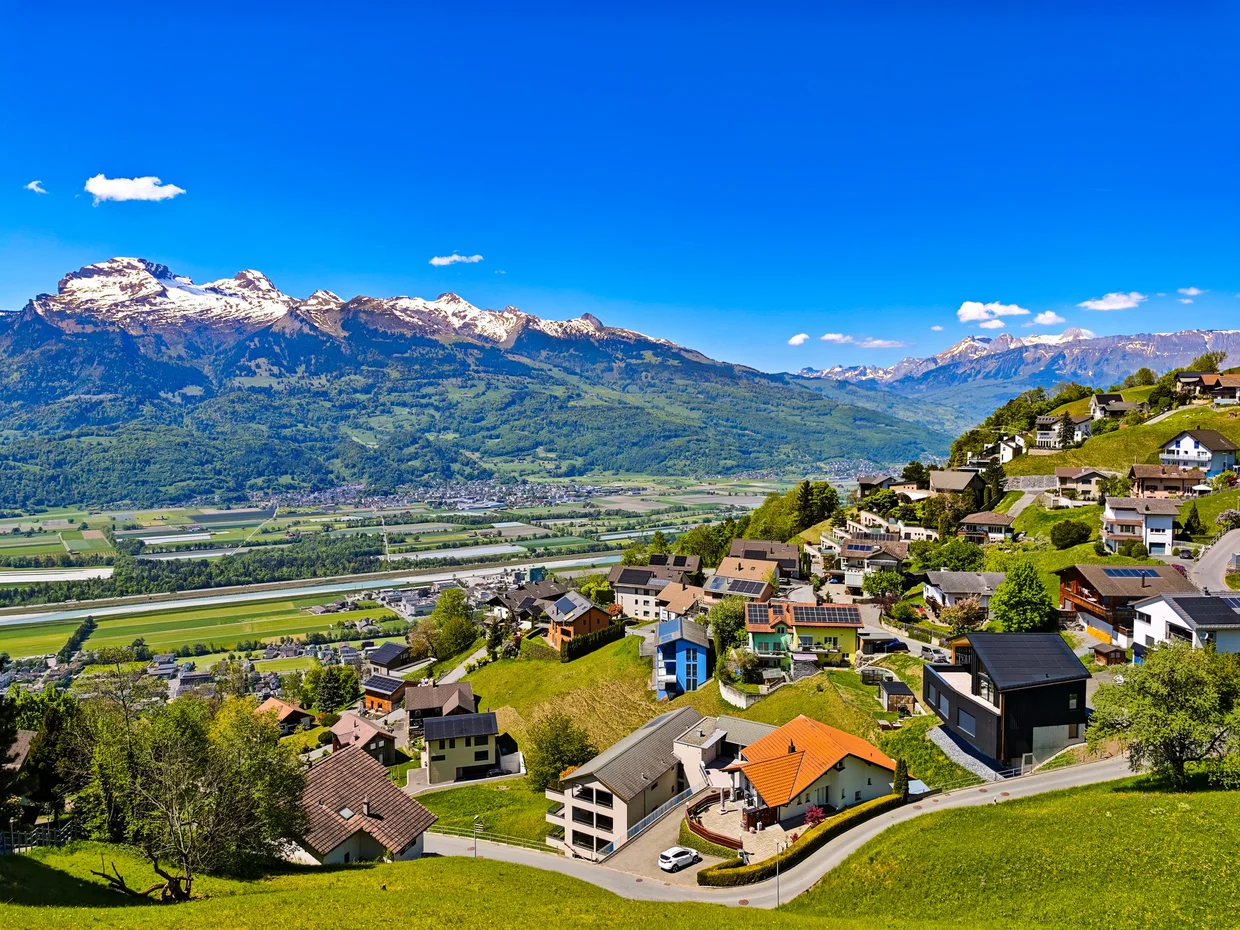
Around 40,000 people live in the country, and most of them are concentrated in a corridor along the Rhine: Vaduz, Schaan, Triesen, Eschen, Mauren, Balzers. The mountains and side valleys are sparsely populated and stay quiet year round. Vaduz, despite being the capital, is not the largest town. Schaan, just to the north, is.
Tipping is light
Service is included by law in restaurants. Rounding up to the nearest franc, or leaving 5 to 10% for very good service, is normal but not expected. Nobody chases you out for not tipping.
SIM and eSIM
Liechtenstein is in EU roaming arrangements via the EEA, so an EU SIM with included roaming covers it without extra cost. If you're coming from outside the EU, a regional eSIM is the simplest option. Coverage is excellent everywhere, including up in Malbun.
Mountain weather changes fast
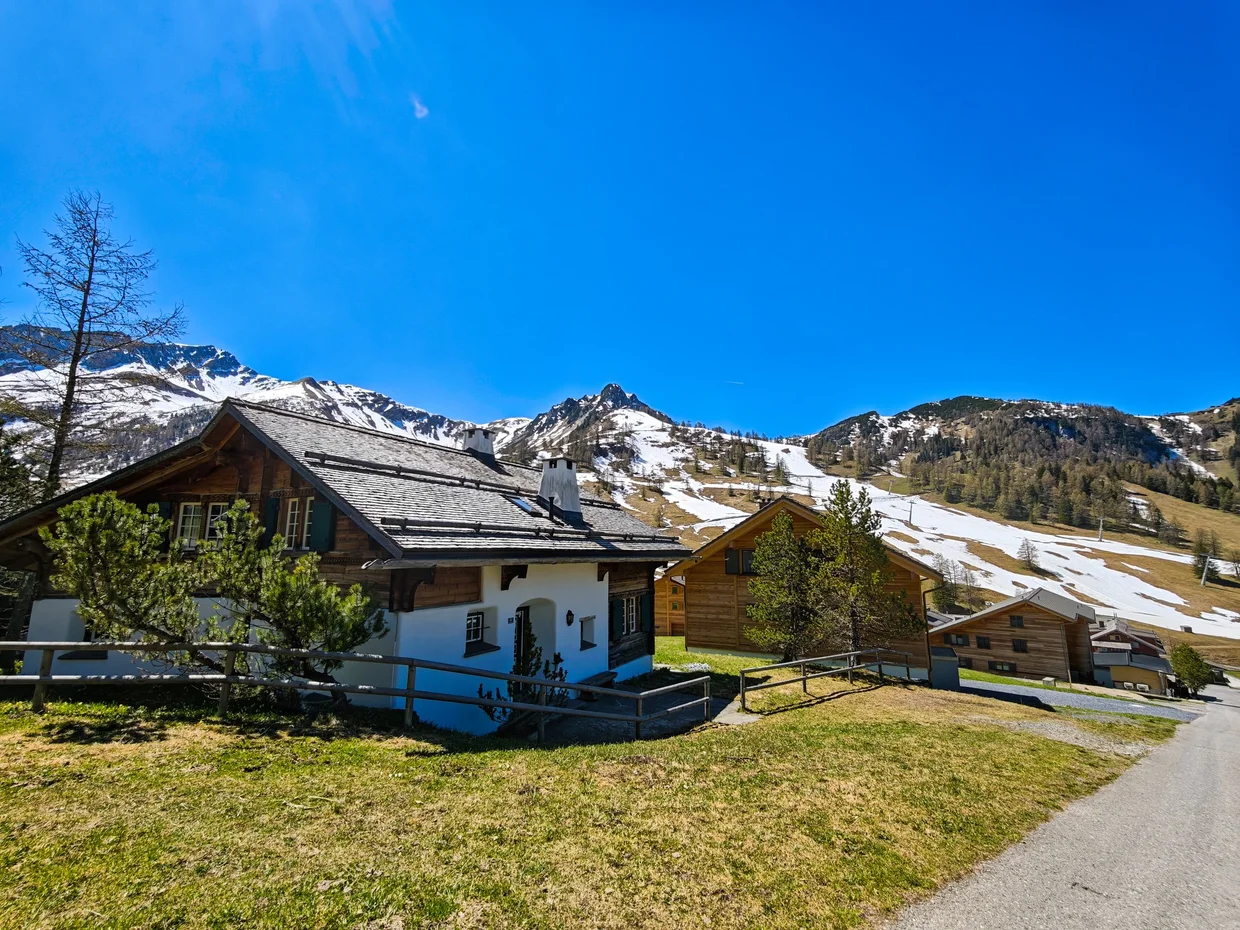
The valley can be sunny and the mountains stormy at the same time. Afternoon thunderstorms in summer are common in the high country. Pack a light fleece and a waterproof shell even in July if you're going up to Malbun or hiking the ridges.
Border-crossing souvenir passport stamp
Liechtenstein doesn't stamp passports automatically, but the Vaduz tourist information centre offers a souvenir stamp for a small fee. It's not an official entry stamp, just a fun keepsake. If you collect that sort of thing, you know where to go.
National Day is 15 August
Staatsfeiertag is the country's national holiday, marked by a public reception in the gardens of Vaduz Castle (the one day the prince opens up the grounds), fireworks over the capital, and a real party atmosphere. It's also the busiest day of the year by a wide margin. Either build your trip around it deliberately or avoid it deliberately.
Get the Adventure Pass if you're doing more than one museum
The official tourism office sells an "Adventure Pass" that bundles entry to most museums, the tourist train, the souvenir passport stamp, and discounts on a few activities. Worth it if you're doing two museums plus the Vaduz tourist train. Otherwise individual tickets are fine.
Pack layers, even in summer
Vaduz can be 25°C at noon, and Malbun, half an hour up the road, can be 13°C with a wind. A light fleece, a waterproof shell, and proper walking shoes solve about 90% of the wardrobe questions a Liechtenstein trip throws at you.
Published May 2026.